

Deciding on the best stove and ensuring it is put in correctly is vital for all homeowner wanting to enhance their kitchen’s functionality and aesthetics. Ranging from gas to electric options, every stove type has its specific installation requirements and considerations that can greatly impact operation and security. Understanding these variances can enable you make knowledgeable decisions and prevent typical mistakes in the installation process.
In this guide, let's investigate the different types of stove installations, their distinct needs, and the necessity of hiring a certified professional for the job. Regardless of whether you're replacing an old appliance or setting up a new one, knowing how to prepare your kitchen and what safety measures to take will make certain a smooth transition. Let's dive into the essentials every homeowner should know to make their stove installation a success. spintax ### Choosing the Right Stove: Gas vs. Electric
When choosing a stove, one of the first decisions homeowners face is whether to opt for a natural gas or electric model. Natural gas stoves offer rapid heating and precise temperature control, making them a preferred choice among professional chefs and cooking enthusiasts. They also allow for instant adjustments, which can be beneficial for recipes that require careful temperature management. However, natural gas stoves need a gas line, which can add to setup complexity and cost.
On the other hand, electric stoves, including traditional and induction options, are generally easier to install as they simply require an electrical outlet. Electric stoves provide smooth cooking surfaces that are aesthetically pleasing and easier to clean. https://rentry.co/anwsydhs , in particular, offer rapid heating and energy efficiency. However, some users find that electric stoves take longer to heat up and may not provide the comparable level of immediate control as their natural gas counterparts.
Ultimately, the choice between gas and electric comes down to personal preference, cooking habits, and current kitchen infrastructure. Homeowners ought to consider factors such as cooking styles, financial limits, and the accessibility of gas lines or electrical upgrades when making their decision. Both models has its own set of benefits that cater to various needs in the kitchen.
Guidelines for Quality Stove Installation
Successful stove setup starts with detailed planning. Property owners should assess the kitchen space available for the new cooktop, confirming that it fits seamlessly and meets the required space from walls and other appliances. It's also crucial to ensure for the necessary utility connections, such as natural gas lines for propane cooktops or suitable power sockets for electric-powered stoves. Keeping these elements in mind will help prevent any problems during the setup procedure.
When it comes to security, engaging a certified installer is strongly. Professionals are skilled about local regulations and requirements, ensuring that your cooktop is installed according to regulatory guidelines. They can also check proper airflow, especially for gas cooktops, to mitigate dangerous situations. Homeowners should never disregard the necessity of safety precautions and adherence to defend their home.
Finally, maintenance and follow-up are essential after setup. Homeowners should acquaint themselves with the functionality of their recently installed stove and address any early concerns with the technician. Routine maintenance, such as cleaning and inspecting for natural gas leaks in propane cooktops or ensuring power connections are stable, can prolong the cooktop’s lifespan and efficiency. Keeping these practices in mind will help homeowners enjoy their recent cooking device with assurance.
Maintenance and Troubleshooting Your Stove
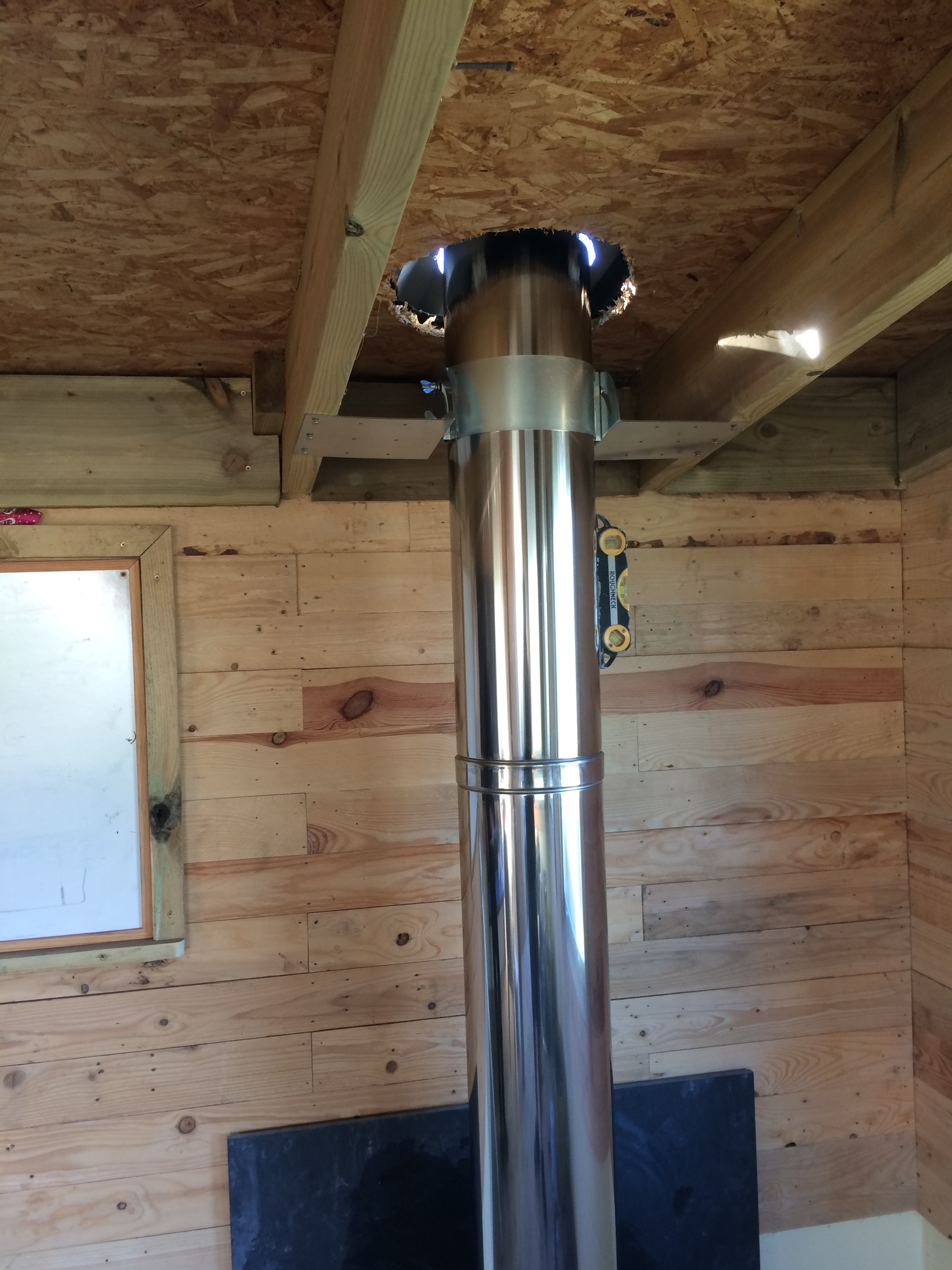
Consistent maintenance is crucial to ensure the longevity and efficiency of your stove. For gas stoves, it is necessary to check the burners and grates for any food residue or spills that can interfere with performance. Wiping these parts down after use and conducting a comprehensive cleaning at least once a month will help maintain functionality. Additionally, make sure that the gas line connections are secure and check for any indications of wear or damage.
For electric and induction stoves, monitoring the condition of the heating elements is crucial. If you notice that an element is not heating properly, it might need replacement. Cleaning the cooktop surface frequently not only enhances aesthetic but also prevents food build-up that can impact heating efficiency. Always make sure to follow the manufacturer’s guidelines for cleaning to prevent damaging the surface.
If your stove isn’t performing as expected, diagnosing issues should start with checking basic connections and settings. For gas stoves, verify that the gas supply is turned on and that the igniter is operational. In the case of electric stoves, check the circuit breaker and outlet power. If issues persist, consulting a professional for an extensive inspection is advisable to avoid potential hazards and guarantee safe operation.