

In today’s rapidly changing corporate landscape, the technologies you select can profoundly affect your achievement. POS technologies have evolved far past their original role as just cash registers. They are now powerful solutions designed to streamline operations, enhance customer experiences, and provide critical analytics into business performance. Grasping what a next-generation POS system can deliver is vital for businesses looking to stay competitive and certified in a virtual world.
As we delve into the cutting-edge features of new-age POS systems, you are likely to see how these technologies can revolutionize your business operations. From online features to next-level analytics, the most recent systems offer functionalities that serve diverse industries, whether you operate a thriving restaurant, a shop, or an online platform. By investigating the countless ways a POS system can enhance productivity, safety, and client involvement, this article will guide you in making informed decisions for your business's future.
Grasping Modern POS Systems
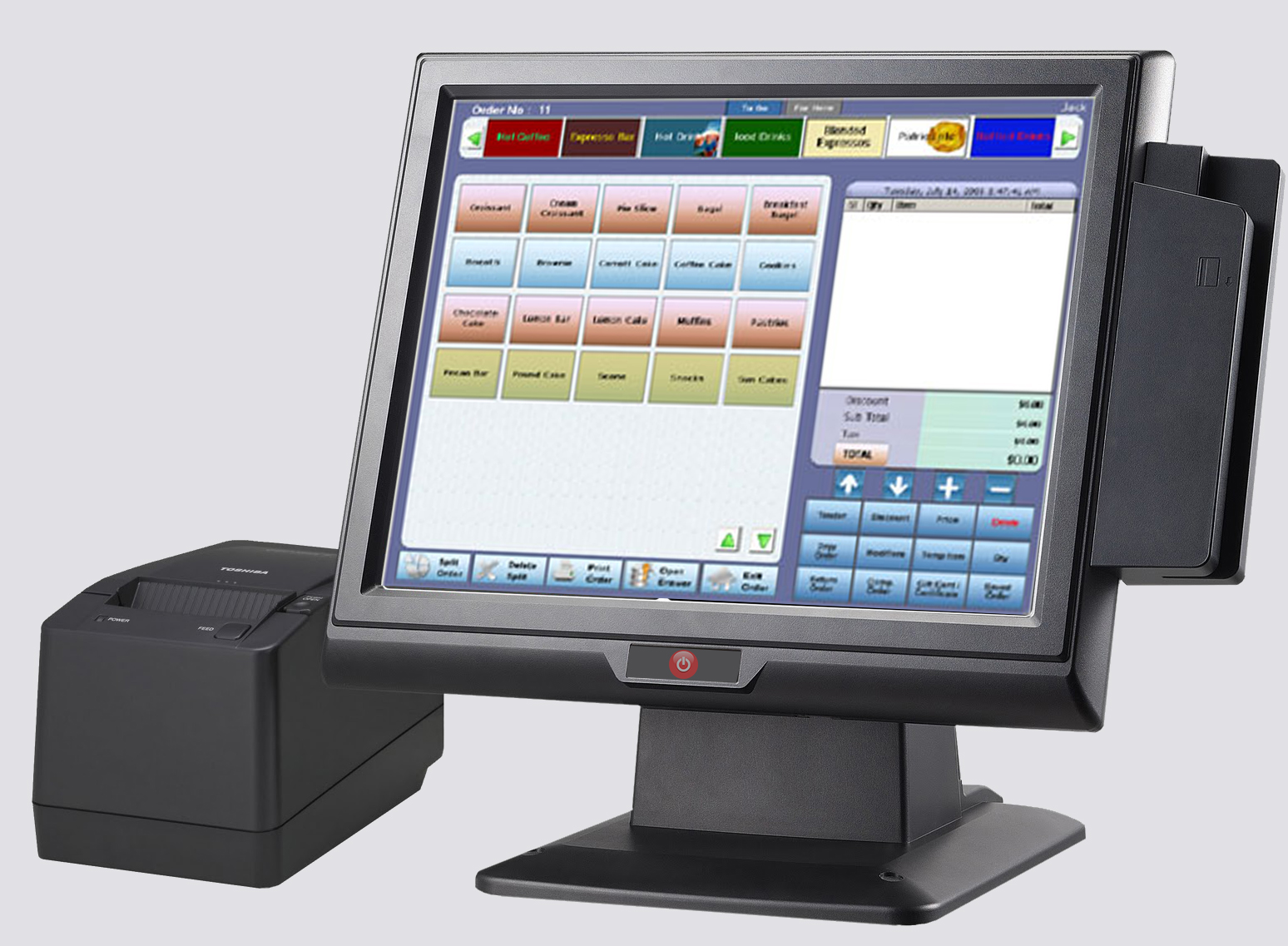
Current point of sale systems have advanced significantly from their traditional counterparts, shifting beyond simple transaction processing to become comprehensive business management tools. At their core, POS systems act as the medium for sales transactions, but they also incorporate features that streamline operations, enhance customer interactions, and provide crucial insights into business performance. For businesses today, adopting a current POS system can be a game changer, offering functionalities like inventory management, employee scheduling, and detailed analytics that were previously available only to bigger enterprises.
One of the key components that set contemporary POS systems apart is their capacity to leverage cloud technology. This transition allows for real-time data access from any device with internet connectivity, making management more flexible and responsive. Cloud-based solutions also reduce the need for expensive hardware installations and maintenance, offering scalability that businesses of all sizes can benefit from. As a result, retailers and service providers can readily adapt to changing market demands and customer preferences while ensuring operational continuity.
Interconnectivity capabilities are another significant feature of contemporary POS systems, permitting them to connect effortlessly with various business applications, such as accounting software and customer relationship management systems. This interconnectivity not only enhances data accuracy but also improves overall operational efficiency. By bringing together information, business owners can make informed decisions, personalize customer experiences, and identify trends that drive sales and revenue growth. Consequently, understanding current POS systems is crucial for any business looking to thrive in the modern fast-paced commercial landscape.
Boosting Company Processes with Point of Sale Solutions
Modern POS systems are not just tills; they embody a substantial leap in technology that can revolutionize how businesses operate. By incorporating various capabilities such as stock control, workforce management, and revenue monitoring, these systems streamline multiple business processes into one integrated solution. This merging allows companies to decrease human errors, lessen time spent on office duties, and focus more on delivering exceptional customer experiences.
One of the most effective features of contemporary POS systems is its data analytics capability. By collecting and analyzing transaction data, organizations can discover valuable insights about client actions, revenue patterns, and inventory performance. These insights empower businesses to make smart decisions, enhance product offerings, and adapt marketing strategies. The ability to retrieve real-time data enables companies to act promptly to market changes and boosts overall process efficiency.
Furthermore, wireless POS solutions are transforming the retail and restaurant industries. With the ability to handle transactions anywhere in the shop or eatery, organizations can improve customer service by lowering wait times and creating more personalized experiences. The ease of tap payments, integrated loyalty programs, and effortless e-commerce transactions enhances customer satisfaction and drives loyalty. As technology continues to evolve, utilizing contemporary POS systems is vital for organizations looking to stay competitive and productive.
Ensuring Security and Compliance in Point of Sale Systems
In the modern online environment, securing the security of your POS system is crucial for safeguarding confidential customer information and preventing data breaches. One of the key measures is complying to the PCI Data Security Standard, which establishes rigorous standards for safely handling, storing, and sending payment card information. Organizations must consistently assess their infrastructure and adopt security protocols to meet with these standards, lowering the chance of data theft and enhancing client confidence.
Regular updates and maintenance are important components of keeping a safe POS system. Vendors often release fixes and updates to resolve security flaws, so it is important for companies to remain updated and apply these patches in a timely manner. Additionally, employing encryption techniques can help protect payment information both in motion and at storage. By being forward-thinking in https://notes.io/wXczW and implementing best practices for safety, companies can significantly lower their vulnerability to cyber threats.
Employee education also plays a vital role in ensuring safety and compliance. Staff should be well-informed about potential security risks and educated on safe practices, such as recognizing phishing attempts and managing confidential information responsibly. Creating a culture of security awareness helps emphasize the importance of protecting customer data while aligning that all employees are in sync with the organization's compliance objectives. Together, these tactics can strengthen a point-of-sale system’s security and uphold compliance requirements across various sectors.