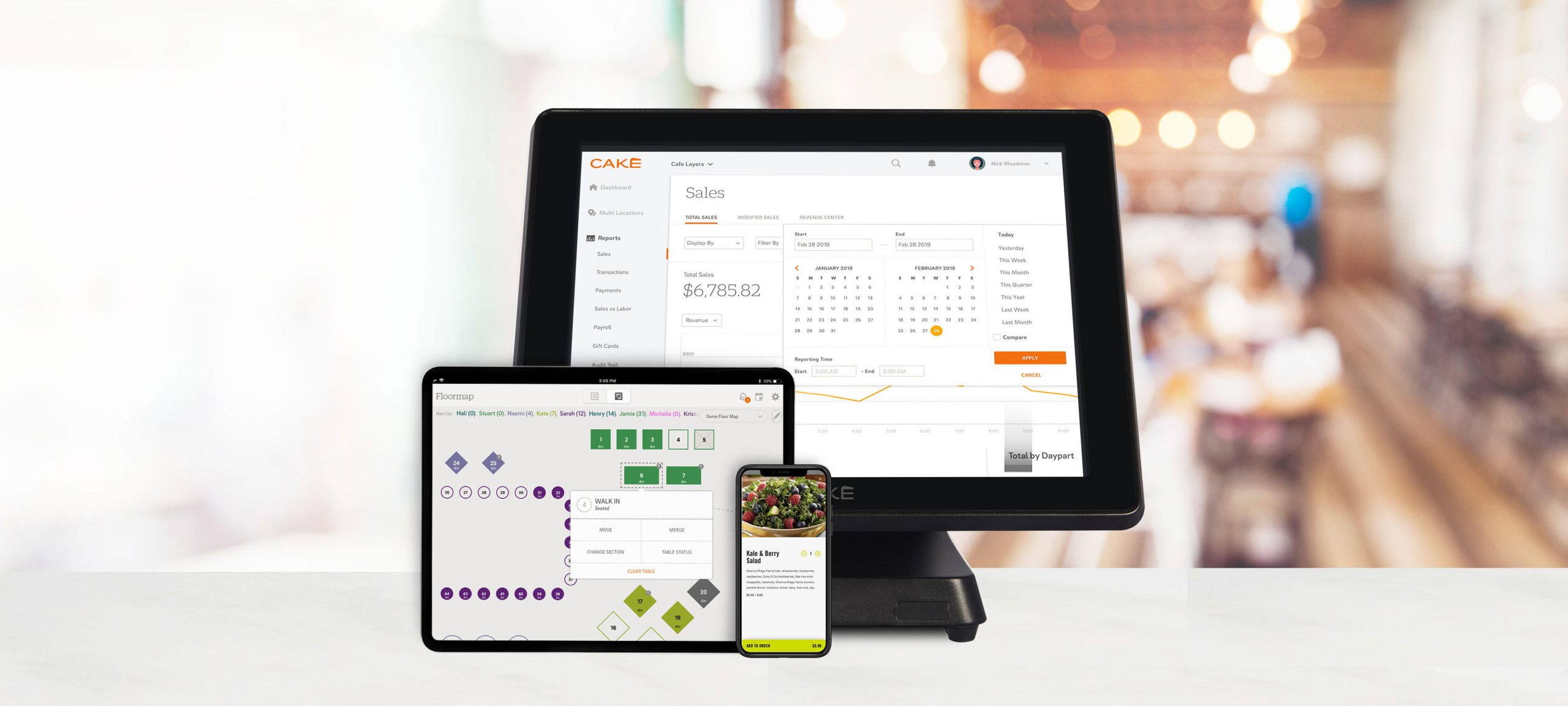
Within today's fast-paced retail and hospitality environments, understanding the importance of a Point of Sale (POS) system is crucial for every business owner. A contemporary POS solution is much more than a tool that handles transactions; it serves as the core component for managing various elements of a business, from inventory to customer relationships. As tech advances, POS solutions have evolved from basic cash counters into sophisticated cloud-based platforms that can greatly enhance operational efficiency and user satisfaction.
For those unfamiliar to the concept or looking to upgrade, navigating the myriad options available can be overwhelming. This comprehensive guide intends to clarify POS systems, exploring their development, features, and advantages. Whether you operate a restaurant, a retail store, or a small business, understanding how to select the right system, integrate with other applications, and ensure safety will enable you to make informed decisions that drive your business ahead. Join us as we explore the essential elements of POS solutions and how they can transform your business processes.
Grasping POS Systems
A POS system is a blend of physical components and software that allows businesses to execute sales deals smoothly. Traditionally, this involved managing register systems, but modern POS systems currently encompass a wide range of capabilities that help with inventory management, customer relationship management, and sales reporting. Grasping what a POS system entails is vital for businesses looking to streamline their operations and improve customer service.
As tech has evolved, POS systems have evolved from simple cash registers to robust, cloud-based solutions. This shift has allowed businesses to get real-time data from anywhere, facilitating improved decision-making and enhanced customer interactions. With the introduction of mobile POS systems, businesses can also enable transactions on-the-go, adding convenience into their service offerings. This versatility is especially beneficial in fast-paced environments such as restaurants and retail stores, where customer preferences can change rapidly.
The growing importance of security in financial transactions cannot be emphasized enough. Modern POS systems are designed with advanced security features to safeguard sensitive customer data and ensure compliance with industry regulations. From EMV chip technology that minimizes fraud risk to regular software updates that protect against cyber threats, it is essential for businesses to select a POS system that emphasizes security. By understanding these factors, businesses can make wise decisions and adopt systems that not only streamline operations but also build trust with their customers.
Deciding on the Right POS Solution
Selecting the best POS system is essential for the success of your business. To begin with, you need to assess your particular needs based on the type of your business model, whether it's e-commerce. Consider factors such as the volume of transactions, buyer visitation, and types of goods or services you sell. A system that aligns with your business needs can streamline processes, enhance efficiency, and eventually enhance customer satisfaction.
Next, review the capabilities and functionality that are most essential for your enterprise. Look for systems that offer vital capabilities such as inventory management, sales reporting, and customer relationship management integration. Additionally, ensure that the system supports multiple payment choices, including contactless payments, to meet customer choices. As tech evolves, emphasize systems that are not only easy to use but also scalable, permitting your enterprise to scale without needing a total redesign of your POS solution.
Lastly, evaluate the support and education offered by the POS vendor. An excellent POS solution is one that comes with thorough customer assistance and training resources to help your employees manage it well. Investigate user reviews and ask potential vendors about their customer service offerings. An established vendor with a reputation of responsiveness can make a meaningful difference in how smoothly your system operates and how swiftly your employees becomes skilled in managing it.
Safety and Upkeep
Ensuring the security of your POS system is paramount for protecting sensitive customer information and maintaining your business reputation. Cyber threats are continuously evolving, and businesses must be diligent in protecting their systems. This comprises implementing robust security measures such as full encryption, data tokenization, and multi-factor auth . Regularly updating your software to patch vulnerabilities and using security barriers can go a long way in ensuring your information secure.
Maintenance of your POS platform is just as important to ensure maximum performance. read here should consist of checking hardware functionality, updating software, and backing up data to prevent loss in the event of failure. A well-maintained POS platform not only operates smoothly but also minimizes downtime, which can disrupt service and affect customer satisfaction. Think about scheduling regular maintenance checks and maintaining a checklist of essential tasks to ensure your platform remains in top shape.
Training your staff on safety best practices is a crucial aspect of maintaining your POS system. Employees should be aware of potential security risks, such as phishing or insider threats, and know how to respond appropriately. Providing ongoing education and resources can enable your team to defend the system proactively. Additionally, having a clear strategy in place for addressing security breaches, such as communication protocols and response strategies, will ensure that your business is equipped to handle any problems that may arise.