

Within today's fast-paced retail and hospitality industries, understanding the role of a Point of Sale (POS) system is vital for any business owner. A modern POS system is more than just a device that processes transactions; it acts as the core component for managing various aspects of a business, from inventory to client interactions. As technology advances, POS systems have transformed from simple cash counters into advanced cloud-based solutions that can significantly enhance operational effectiveness and user satisfaction.
For those new to the idea or looking to upgrade, navigating the various options out there can be overwhelming. This detailed guide aims to demystify POS solutions, examining their development, features, and benefits. Whether operate a restaurant, a retail outlet, or a small business, understanding how to choose the appropriate system, integrate with other applications, and ensure security will enable you to make informed decisions that drive your business ahead. Join us as we delve into the key elements of POS solutions and how they can transform your business processes.
Comprehending Point of Sale Systems
A Point of Sale (POS) solution is a blend of physical components and programs that allows businesses to execute sales deals efficiently. Traditionally, this meant managing register systems, but modern POS systems currently include a variety of functionalities that help with inventory management, customer relationship management, and sales reporting. Understanding what a POS system consists of is essential for businesses looking to streamline their processes and enhance customer service.
As tech has advanced, POS systems have transformed from simple cash registers to advanced, cloud-based systems. This transformation has enabled businesses to access real-time data from any location, facilitating better decision-making and better customer interactions. With the introduction of mobile POS systems, businesses can also facilitate transactions on-the-go, integrating convenience into their service offerings. This versatility is particularly beneficial in fast-paced environments like restaurants and retail stores, where customer preferences can change rapidly.
The growing importance of security in financial transactions cannot be overstated. Modern POS systems are designed with advanced security features to protect sensitive customer data and ensure compliance with industry regulations. From EMV chip technology that reduces fraud risk to frequent software updates that protect against cyber threats, it is essential for businesses to choose a POS system that prioritizes security. By understanding these elements, businesses can make informed decisions and adopt systems that not only streamline operations but also build trust with their customers.
Selecting the Ideal POS System
Selecting the best POS solution is crucial for the success of your enterprise. First, you need to examine your particular needs based on the type of your work, whether it's hospitality. Think about Restaurant Point of Sales Systems as the level of transactions, customer flow, and kinds of products or services you sell. A system that matches with your business requirements can simplify processes, enhance efficiency, and eventually enhance customer satisfaction.
Next, review the functionalities and features that are most crucial for your enterprise. Search for systems that provide vital capabilities such as inventory tracking, sales analytics, and client management integration. Additionally, make certain that the system includes multiple payment choices, including contactless payments, to meet customer preferences. As tech evolves, focus on systems that are not only easy to use but also flexible, permitting your business to grow without needing a complete revamp of your POS system.
Finally, consider the help and education offered by the POS provider. An efficient POS solution is one that comes with comprehensive customer assistance and training resources to help your team manage it well. Look into user reviews and ask potential suppliers about their customer service services. An reputable company with a history of good service can make a substantial difference in how well your system operates and how swiftly your staff becomes skilled in managing it.
Security and Maintenance
Ensuring the security of your POS system is crucial for safeguarding confidential customer data and maintaining your company reputation. Cyber risks are constantly evolving, and businesses must be proactive in safeguarding their systems. This comprises adopting robust safety measures such as end-to-end encryption, tokenization, and multi-factor authentication . Regularly refreshing your software to resolve vulnerabilities and using firewalls can go a long way in ensuring your information secure.
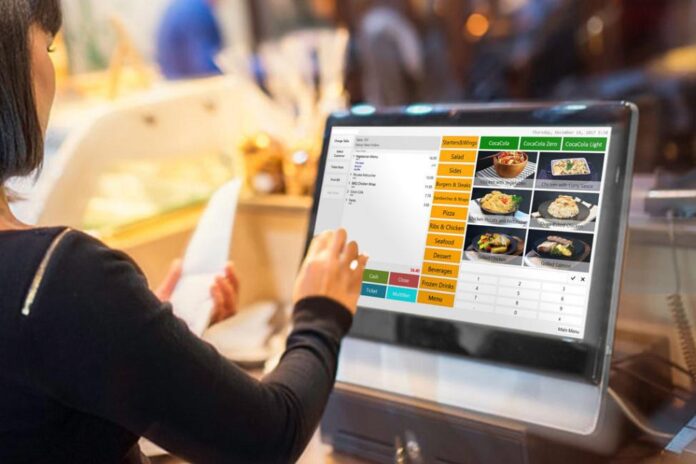
Maintenance of your POS platform is just as important to ensure optimal performance. Routine checks should consist of verifying hardware functionality, refreshing software, and backing up data to prevent loss in case of breakdown. A well-maintained POS system not only functions smoothly but also reduces downtime, which can interrupt service and affect customer satisfaction. Think about scheduling regular maintenance checks and keeping a checklist of essential tasks to ensure your platform remains in top shape.
Educating your staff on security best practices is a crucial aspect of upkeeping your POS system. Employees should be aware of potential safety risks, such as phishing or insider threats, and know how to respond appropriately. Providing ongoing training and resources can enable your team to defend the platform proactively. Additionally, having a clear strategy in place for dealing with safety breaches, such as communication protocols and response strategies, will ensure that your business is prepared to handle any issues that may arise.