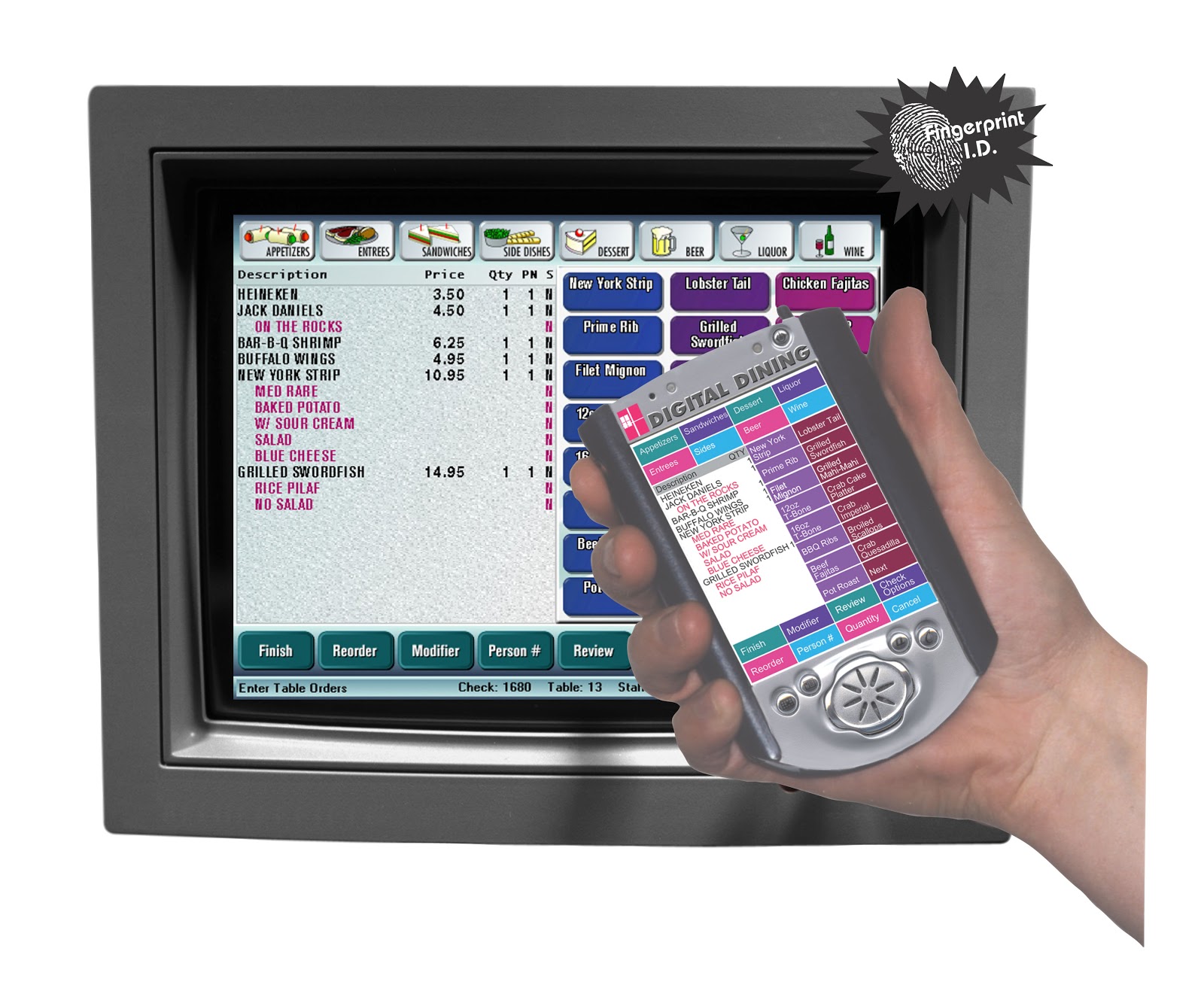
In today's fast-paced business environment, possessing a dependable point of sale (POS) system is crucial for prosperity. Whether you are managing a lively restaurant, a retail shop, or an e-commerce store, an optimal POS system can simplify your operations, improve customer experiences, and provide important data insights that can guide your business decisions. As evolves, so do the features of modern POS systems, which makes it crucial for businesses of all sizes to be knowledgeable about their options.
In this piece will explore the different facets of POS systems, from their basic functions to sophisticated features like data analytics. We will investigate what a POS system truly is, how it has transformed over the years, and the unique benefits it brings to distinct industries. Through understanding the full potential of your sales data and the technology that supports it, you can unlock new opportunities for growth and enhanced efficiency in your business.
Grasping POS Systems
A POS system, or POS system, is an vital tool for contemporary businesses that enhances sales between customers and businesses. It is much more than just a cash register; it merges hardware and software to optimize the sales process, manage inventory, and provide critical insights into customer behavior and sales performance. A regular POS system includes a register, a computer or tablet, a receipt printer, a barcode scanner, and a card reader, functioning collectively to enhance operational efficiency.
The development of POS systems has been significant over the years. Initially, businesses used traditional cash registers that simply recorded transactions. However, with advancements in technology, current POS systems now offer online solutions that allow businesses to access data from anywhere and in real-time. This shift enables increased flexibility and scalability, meaning businesses can alter their operations as needed without being tied to a physical location. Additionally, features such as mobile compatibility and improved security measures have transformed how transactions are conducted.
Today, businesses across various industries utilize POS systems to boost transaction speed, accuracy, and customer satisfaction. From restaurants to retail stores, industry-specific solutions have emerged to meet distinct needs, such as table management in hospitality or inventory tracking in retail. The ability to link POS systems with other business tools, such as accounting software and customer relationship management (CRM) systems, further enhances their functionality and effectiveness, making them a foundation of prosperous commercial operations.
Choosing the Right POS Solution
When deciding on a POS system for your business, it's important to identify the specific requirements and operational requirements. Consider factors such as the size of your business, the sector you function in, and the capabilities that are critical for your transactions and client interactions. Determine whether you require a system that can manage inventory management, customer relationship management, or in-depth analytics to make informed decisions. Comprehending these needs will assist limit your options considerably.
Moreover, consider the budget you have set for your POS system investment. POS systems can vary widely in terms of price, spanning from basic setups for small businesses to more comprehensive solutions appropriate for bigger enterprises. Be sure to include any recurring costs, such as transaction charges, subscription plans, and maintenance. It’s prudent to opt for a system that not only fits your current budget but also permits scalability as the business grows.
Lastly, don’t overlook the significance of integration features. A good POS solution should smoothly integrate with additional software you are using, such as accounting tools, e-commerce platforms, and inventory tracking systems. This integration will enhance efficiency and streamline processes, allowing you to concentrate on assisting your customers. Be certain to research vendors thoroughly, read user reviews, and maybe even request demos to ensure the system you select fits well with the overall business objectives.
Enhancing Business Processes with Point of Sale
A modern POS system significantly enhances business operations by simplifying transaction processes and improving overall efficiency. With features such as instant inventory tracking and automated sales reporting, businesses can cut errors and maximize stock levels. This efficiency not only protects time for employees but also allows them to dedicate themselves to providing exceptional customer service, which is essential in maintaining customer loyalty and satisfaction.
Additionally, the incorporation of cloud-based solutions enables access to sales data from any location, empowering business owners to make swift decisions based on up-to-date information. By utilizing https://otto-thyssen.federatedjournals.com/the-development-of-sales-systems-from-mechanical-punch-cards-to-cloud-software , businesses can recognize trends and comprehend customer preferences, leading to more intelligent marketing strategies and promotions. This data-driven approach ultimately assists strategic planning and fosters growth by aligning business efforts with consumer demand.
Additionally, employee productivity can be significantly enhanced with a simple POS system. Intuitive interfaces and mobile POS options enable staff to complete transactions swiftly and efficiently, leading to lessened wait times for customers. Training staff becomes simpler when systems are clear, and the dual benefit of increased employee satisfaction and better customer experiences creates a favorable feedback loop that reinforces the overall operation of the business.