

Suffering can be an intense experience that affects not only physical well-being but also emotional and mental health. In discover this info here , advancements in pain relief techniques have created a myriad of options for individuals seeking relief. If struggling with acute pain from an injury or managing chronic conditions such as joint pain or muscle pain, understanding the range of therapies and treatments available is crucial for making smart decisions.
As we delve into the world of pain management, it's essential to consider the differences between operative and non-surgical approaches. Just as no two individuals experience pain in the same way, the pathway to relief can vary significantly. Patients now have access to a diverse array of therapeutic options, from rehabilitative therapy and chiropractic care to pain relievers and alternative treatments like acupuncture and cannabidiol. This thorough guide will examine how these services can enhance quality of life, showing effective strategies for addressing various types of pain while empowering individuals to choose the optimal path for their specific circumstances.
Grasping Pain Management
Pain management encompasses various of medical, therapeutic, and holistic approaches designed to reduce pain and boost the life quality for individuals suffering from discomfort. At its core, this process aims to determine the fundamental reasons of pain and efficiently lessen it through a customized treatment plan. This may include an amalgamation of medication, physical therapy, alternative therapies, and lifestyle modifications. Understanding pain management requires a comprehensive approach to not only treat the symptoms but also deal with the underlying factors of discomfort.
The intricacy of pain itself makes successful management challenging. There are multiple types of pain, for example acute and chronic pain, which requiring distinct approaches for treatment. Acute pain is typically a direct response to injury or illness and is often transient, while chronic pain continues over time, often without a definitive cause. Understanding these differences is crucial in determining appropriate interventions and applying various therapies that best fit an individual specific needs.
Pain management services are designed to provide patients with a comprehensive plan that considers the physical, emotional, and psychological aspects of pain. This multidisciplinary approach can significantly improve overall health and well-being by integrating various treatment modalities, including medications, physical therapy, and alternative therapies like acupuncture and chiropractic care. By focusing on an extensive range of treatment options, pain management seeks to enable individuals to regain control over their lives and effectively manage their pain.
Treatments and Methods for Pain Relief
Managing pain encompasses numerous of therapies and methods aimed at reducing discomfort and improving quality of life. One of the most effective methods includes physiotherapy, which concentrates on strengthening muscles and improving mobility. Tailored exercises not only help relieve persistent pain but also teach patients how to manage their conditions successfully. Additionally, techniques like ultrasonic therapy and healing modalities, such as thermal and cryotherapy applications, play a crucial role in reducing inflammation and soothing pain.
Chiropractic treatment is an additional essential component of pain management. By using manual spinal manipulation and other manual techniques, chiropractors aim to align the body's musculoskeletal structure. This realignment can substantially reduce pain and increase function, particularly for conditions like lumbar pain or headaches. Moreover, chiropractic care emphasizes preventive care and overall wellness, making it a beneficial addition to traditional pain management strategies.
Alternative therapies such as needle therapy and bodywork have gained popularity for their holistic pain-relieving properties. Acupuncture involves inserting thin needles into targeted points on the body, which helps to stimulate healing and reduce pain. On the other hand, massage therapy helps alleviate muscle tension and improve circulation, providing instant relief for many people. These complementary treatments can be particularly effective when used with traditional medical interventions, offering patients a comprehensive approach to pain management.
Handling Persistent Pain Efficiently
Efficiently addressing chronic pain requires a comprehensive approach that integrates various treatments and lifestyle changes. Treatment options often feature movement therapy, chiropractic care, and holistic techniques such as acupuncture and massage therapy. These non-surgical interventions can help reduce discomfort, enhance mobility, and enhance overall quality of life. In conjunction with these therapies, patients should look into utilizing mindfulness and meditation techniques, which can play a crucial role in managing pain perception and promoting mental well-being.
Medications can serve as an essential component in chronic pain management, but it is crucial to weigh the pros and cons of often prescribed painkillers. Opioids, while beneficial for some individuals, come with considerable risks, making it vital to discuss complementary treatments like non-opioid medications and herbal solutions, including CBD and medical marijuana. Integrating inflammatory-reducing diets and lifestyle changes can also contribute to pain management and better overall health, reinforcing the idea that managing chronic pain extends further than just medication.
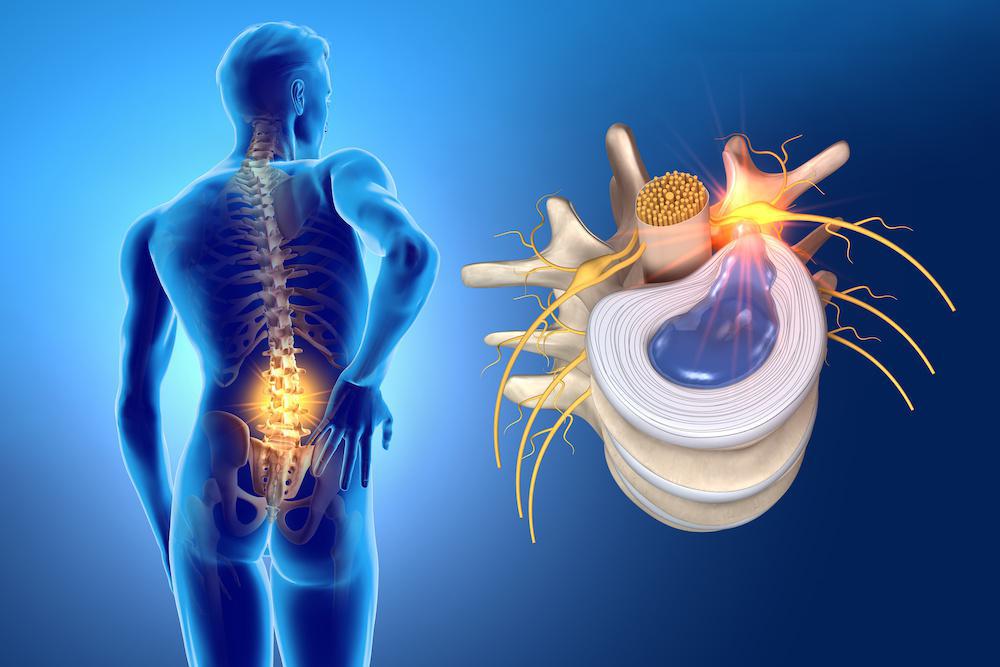
Lastly, staying active is key to managing chronic pain efficiently. Regular exercise, tailored to an individual’s fitness level, can strengthen muscles and boost flexibility, which are essential for pain relief. Patients should also verify they are getting enough sleep, as poor sleep can exacerbate pain levels. Engaging in relaxing and restorative practices, such as yoga and gentle stretching, can further promote healing and help individuals reclaim control over their lives. Combining these various elements can lead to a comprehensive pain management strategy that successfully meets the challenges of chronic pain.