

Within today's rapidly changing retail environment, the layout of a store plays a vital role in attracting customers and enhancing the shopping experience. A thoughtfully designed retail fit-out not just mirrors a brand's identity but also fosters an inviting atmosphere that encourages consumers to spend extended time and money. Understanding the concept of a retail fit-out is and its significance can set the groundwork for a successful business. It is about changing a space into something that resonates with customers, allowing them feel welcomed and valued.
As we explore the psychology behind retail fit-out design, we will look into how factors like design, lighting, and materials can significantly impact customer engagement and sales. From the first concept to the last touches, we'll provide a comprehensive guide that also covers the most recent trends but also offers practical advice for budgeting, managing the fit-out process, and ensuring sustainability in design. By understanding these essential aspects, retailers can create spaces that not just meet functional needs but also build emotional connections with their customers.
Understanding Commercial Space Design
Commercial fit-outs refer to the procedure of developing the interior of a retail space to make it usable, attractive, and aligned with the brand's image. This process is crucial for companies aiming to create a inviting atmosphere that attracts shoppers in and motivates them to make purchases. A well-executed fit-out not only provides a space for products but also enhances the client experience, making it essential for a retail operation's success.
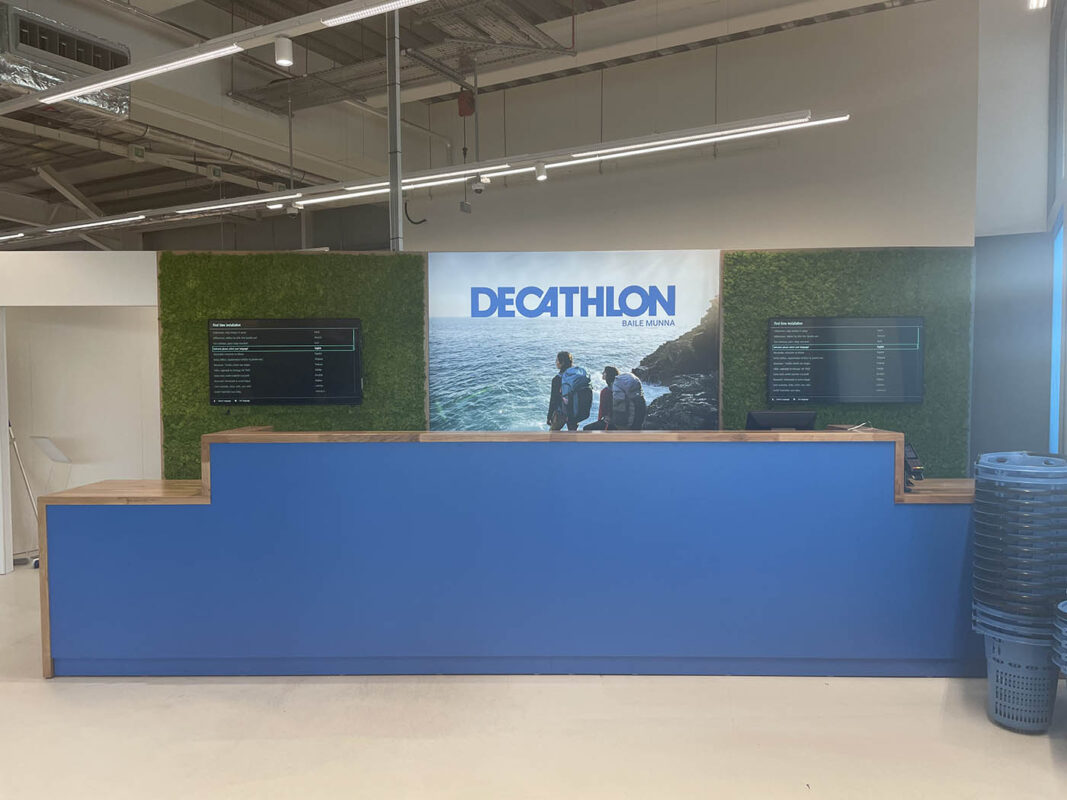
The significance of a retail design cannot be overstated. learn the facts here now affects everything from the store design and customer flow to the way items are displayed and how the overall ambiance is perceived. A carefully planned environment can significantly impact a customer’s state of mind and purchasing decisions, leading to higher customer visits and higher sales. Additionally, an efficient fit-out represents the brand's values and resonates with its target audience, fostering brand loyalty and return visits.
The commercial fit-out process typically involves a series of phases, beginning with preliminary design ideas to the ultimate installation of installations and fittings. This process requires careful preparation and synchronization, including considerations for identity, customer engagement, lighting, hues, and materials. Comprehending the various components involved in a commercial fit-out is crucial for any entrepreneur looking to maximize their investment and create a compelling commercial space.
Creation Techniques for Effective Retail Environments
Establishing an efficient retail space requires a thorough understanding of consumer behavior and preferences. Winning designs include elements that draw customers inside, promote exploration, and facilitate easy navigation. One crucial strategy is to create clear pathways, navigating customers through the store in a way that makes them feel at ease and involved. This can be achieved through smart layout planning that pays attention to high-demand areas, as well as leveraging focal points to seize attention.
Integrating visual merchandising approaches can strongly enhance customer experience. Products should be showcased in an inviting manner that not only highlights their features but also tells a story. Using props, innovative shelving, and thematic displays can transform the shopping experience more immersive. Moreover, strategically placing promotional displays near checkout areas can aid generate impulse buys, boosting overall sales.
Another essential aspect of design is the deliberate use of lighting and color. Lighting should create an welcoming atmosphere while highlighting key products. The right color palette can evoke emotions and affect customer behavior, making it important to choose colors that correspond with brand identity and target demographics. By thoughtfully integrating these design strategies, retailers can create spaces that foster engagement, drive sales, and leave lasting effects on customers.
Managing Your Retail Fit-Out Project
Successfully managing a retail fit-out project necessitates detailed planning and execution. First, create a clear project timeline that details each phase from design to completion. This timeline needs to have key milestones, such as the timing of design plans are finalized, when construction will begin, and dates for inspections. Regular check-ins are crucial to verify that each stage stays on schedule, allowing for adjustments as needed. Strong communication between your team is crucial to tackle any issues promptly and ensure the project moving forward smoothly.
Budget management is another critical aspect of project oversight. Create a thorough budget that covers all potential costs, including materials, labor, and unexpected expenses. Keeping track of expenditures and comparing them with your budget will help you identify any discrepancies early on. Make use of financial management tools to assist in monitoring costs and keeping transparency with stakeholders. Should unexpected costs arise, having a contingency fund can provide the necessary room to make rapid decisions without compromising the quality of your fit-out.
Finally, developing strong relationships with contractors and suppliers can significantly impact the success of your fit-out project. Choose reliable professionals who understand your vision and are focused to delivering high-quality work. Regular meetings with your contractors will encourage collaboration and ensure that everyone is aligned with your business goals. By cultivating Retail Fit Out Kent , you not only enhance the quality of the work but also establish an environment where concerns can be addressed promptly, leading to a more streamlined fit-out process as a whole.